3 min read

Luminate Online and Raiser’s Edge NXT Integration: How Trillium Health Partners Foundation Improved Donor Data Accuracy

Modern fundraising organizations operate in increasingly complex environments, where multiple systems, teams, and channels must work together seamlessly. Maintaining clarity in data is essential to protect donor experience and support confident decision-making.

Trillium Health Partners Foundation exists to inspire community support for one of Canada’s largest and most dynamic healthcare systems, helping to fund critical care, research, and innovation that improve patient outcomes.

Linkedin Newsletter (52)

With a growing team, multiple fundraising streams, and a high volume of communications, the organization recognized the importance of strengthening its data infrastructure to support sustainable growth and operational alignment. To address these challenges, the work followed three key steps.

Step 1. Cleaning and correcting constituent and shared email data in Luminate Online
The team resolved shared email issues and performed targeted data corrections to reduce duplication and improve overall data quality.

Step 2. Establishing bidirectional data flow between Luminate Online and Raiser’s Edge NXT
This ensured that individual and organizational data remained synchronized across systems, creating a more consistent and reliable data foundation.

Step 3. Restructuring communication preferences in Raiser’s Edge NXT
A new solicitation code framework was developed to simplify segmentation, improve manageability, and support consent tracking aligned with CASL.

Linkedin Newsletter (55)

What This Enables for Fundraising Teams

With Charity Automator Data Flow connecting Luminate Online and Raiser’s Edge NXT, Trillium Health Partners Foundation can now:

  • Maintain a single, up-to-date view of constituent data
  • Reduce duplicate donor records across systems
  • Validate campaign audiences before sending communications
  • Build and manage segmentation directly in Raiser’s Edge NXT
  • Improve confidence in CRM data used for fundraising decisions

The Starting Point

In 2025, the Foundation identified key gaps in how data moved across its systems:

  • Data updates were not consistently reflected across platforms
  • Duplicate records accumulated over time
  • Email communications were sent without full visibility into recipient overlap

These gaps created operational inefficiencies and introduced risk in donor communications.

At the same time, the absence of clearly defined business rules made coordination difficult. Multiple teams were executing campaigns independently, without a shared structure for audience selection or communication timing.

1. Establishing a Reliable Data Foundation

To address these challenges, the Foundation began working with SimpliPhi to shape its data environment and introduce consistent data best practices.

The process focused on:

  • Synchronizing data between Luminate Online and Raiser’s Edge NXT using Charity Automator Data Flow
  • Identifying and reducing duplicate records with 40,000+ duplicate records cleaned (41% of the database) through Blackbaud
  • Standardizing how data is handled across systems

A critical improvement was enabling bidirectional data flow. This created a more complete and accessible view of constituent data in Raiser’s Edge NXT. Teams can find records more easily and work from a single, consistent source.

Before After
Disconnected systems Bidirectional data flow between RE NXT and Luminate Online
Duplicate records Reduced duplication and improved consistency
Limited visibility into campaign audience Clear visibility into constituent data in Raiser’s Edge NXT

2. Introducing Structure Across Teams

With a stronger data foundation in place, the Foundation introduced structure into day-to-day workflows. Key changes included:

  • Standardizing list creation and review processes
  • Introducing validation steps before campaign execution
  • Establishing shared segmentation logic
  • Implementing consent tracking and preference management aligned with CASL requirements

“We created new documentation and cross-trained each other… to ensure consistency.” — Angelina Londono, Director of Data & Innovation, Trillium Health Partners Foundation

These changes reduced reliance on individual knowledge and improved coordination across fundraising teams, creating a shared understanding of how data should be used. The team also introduced new manage preference pages, allowing constituents to opt in or out of communications, and mapped consent directly in Raiser’s Edge NXT to support CASL tracking.

3. Improving Data Accuracy and Campaign Execution

As data quality improved, teams gained better control over campaign execution.

Duplicate records were reduced, and teams introduced a review step before sending communications. Now, lists are reliable and accurate, which lowers the chance of picking the wrong people for campaigns. The team also cleaned 12,000 shared email records (12% of the database), reducing duplicate sends and improving donor experience.

“With Charity Automator Data Flow connecting our systems, I feel more confident in the data… and we can make sure the right constituents are captured.” Angelina Londono, Director of Data & Innovation, Trillium Health Partners Foundation

Segmentation and campaign structure were also simplified:

  • Solicitation codes reduced from 32 to 24 (25% decrease)
  • Audience groups reduced from 22 to 14 (36% decrease, pending confirmation)
  • Core queries streamlined, reducing complexity in segmentation logic

Managing lists and data used to be a significant manual effort with workarounds across different systems. Now, teams operate within their main CRM and can validate data first, which allows them to define and build audiences directly in Raiser’s Edge NXT.

Strengthening Confidence Across the Organization

With clearer data and more structured processes, teams now operate with greater confidence in their systems.

This has resulted in:

  • More reliable campaign execution
  • Greater trust in CRM data
  • Better alignment across teams

The transformation clarified a key principle: system performance depends on how data is structured and managed. Clear processes and consistent data practices are essential to achieving reliable outcomes.

Most importantly, it provides the clarity needed to operate effectively and reduce risk in a complex fundraising environment.

This work represents a foundational step. As data continues to be refined, the organization is strengthening its data environment to support long-term fundraising success.

Book a Discovery Call

Interested in building a fundraising system that supports your organization’s ambitions? Book a discovery call with SimpliPhi to explore how a clean implementation and expert guidance can help your team move faster with confidence.


Exploring an Omatic Alternative: What Nonprofits Should Consider About Data Integration

6 min read

Exploring an Omatic Alternative: What Nonprofits Should Consider About Data Integration

Fundraising teams depend on accurate, timely, and complete data to make decisions, execute campaigns, and report results. Yet for many nonprofit...
Read More
Nonprofit CRM & Financial Systems Implementation and Migration

4 min read

Nonprofit CRM & Financial Systems Implementation and Migration

The way a nonprofit implements and migrates its CRM and financial systems determines how effectively those tools will support fundraising and...

Read More
Synchronization Logs in Charity Automator Data Warehouse

1 min read

Synchronization Logs in Charity Automator Data Warehouse

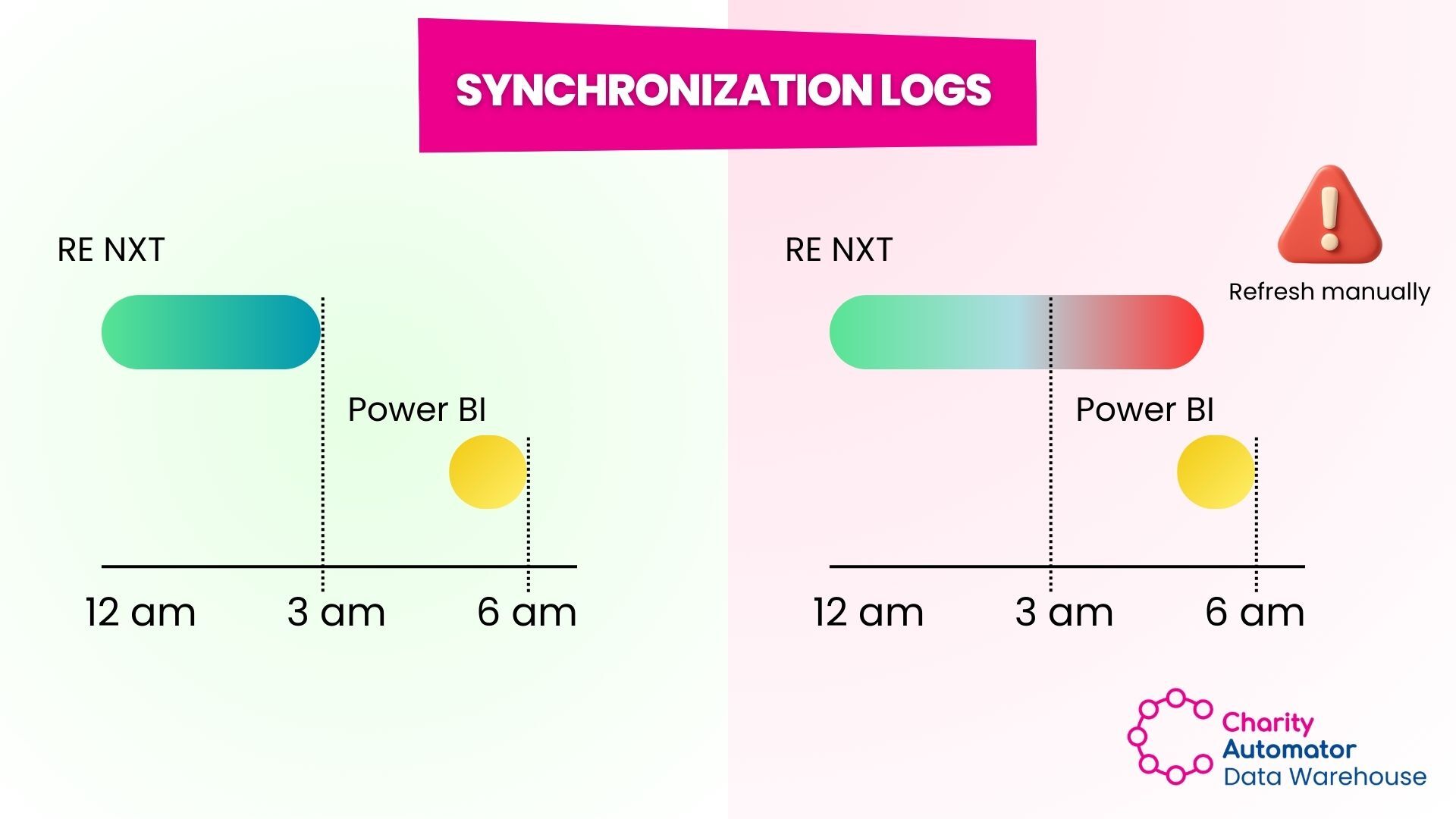
Charity Automator now adds a Synchronization Log table directly inside the client’s Data Warehouse. This table shows: Whether each entity...

Read More
Donor Segmentation for Nonprofits: A Smarter Refresh Logic for Better Campaign Control

4 min read

Donor Segmentation for Nonprofits: A Smarter Refresh Logic for Better Campaign Control

We are changing the refresh logic in AmpliPhi so that updates only apply to the object you are working on, rather than automatically recalculating...

Read More
Why Fundraising Feels Harder Today and How Nonprofits Can Improve Donor Retention

6 min read

Why Fundraising Feels Harder Today and How Nonprofits Can Improve Donor Retention

For many nonprofit teams, something has shifted over the past few years. Campaigns are more frequent, more channels are available, and the tools are...

Read More
How Roswell Park Alliance Foundation Automated 17,000+ Gifts during the peak season and Saved 30 Hours Per Month with Charity Automator Data Flow

3 min read

How Roswell Park Alliance Foundation Automated 17,000+ Gifts during the peak season and Saved 30 Hours Per Month with Charity Automator Data Flow

The Roswell Park Alliance Foundation is a not-for-profit organization that manages all donations made to Roswell Park Comprehensive Cancer Center....

Read More
First-Time Donor Segments for Hospital Foundations: A Practical Guide to Segmentation, Retention, and Revenue Growth

3 min read

First-Time Donor Segments for Hospital Foundations: A Practical Guide to Segmentation, Retention, and Revenue Growth

Hospital foundations are investing more time and resources into fundraising than ever before, yet many teams continue to face the same challenge:...

Read More
Donor Segmentation Strategies for Nonprofits: Stop Second-Guessing Your Campaign Lists

4 min read

Donor Segmentation Strategies for Nonprofits: Stop Second-Guessing Your Campaign Lists

Donor segmentation strategies for nonprofits can determine whether a campaign exceeds its goal or quietly underperforms. For Communications and...

Read More